As a history nerd, I get excited when I see “UNESCO”. It’s one of those international bodies that, in theory, seems to supersede politics in the name of culture and education. People did stuff and built cool stuff? Let’s keep these areas off the airstrike maps please. It’s not a new concept by any means. American Indians had designated areas where fighting wasn’t permitted, such as graveyards and flint quarries. The Mafia wasn’t permitted, originally, to kill people in their own homes. Connor MacLeod couldn’t kill other Highlanders on holy ground. And John Wick wasn’t supposed to conduct “business” on Continental grounds. You get the idea. I’m somewhat proud of my own species’ ability to maintain a de facto rule against fighting in inappropriate spaces and conditions, such as those that might destroy physical history, even if it’s all based on an unenforceable honor code. Because without rules, we live with the animals.
And speaking of American Indians and UNESCO, we recently visited the first and only UNESCO site in Ohio!
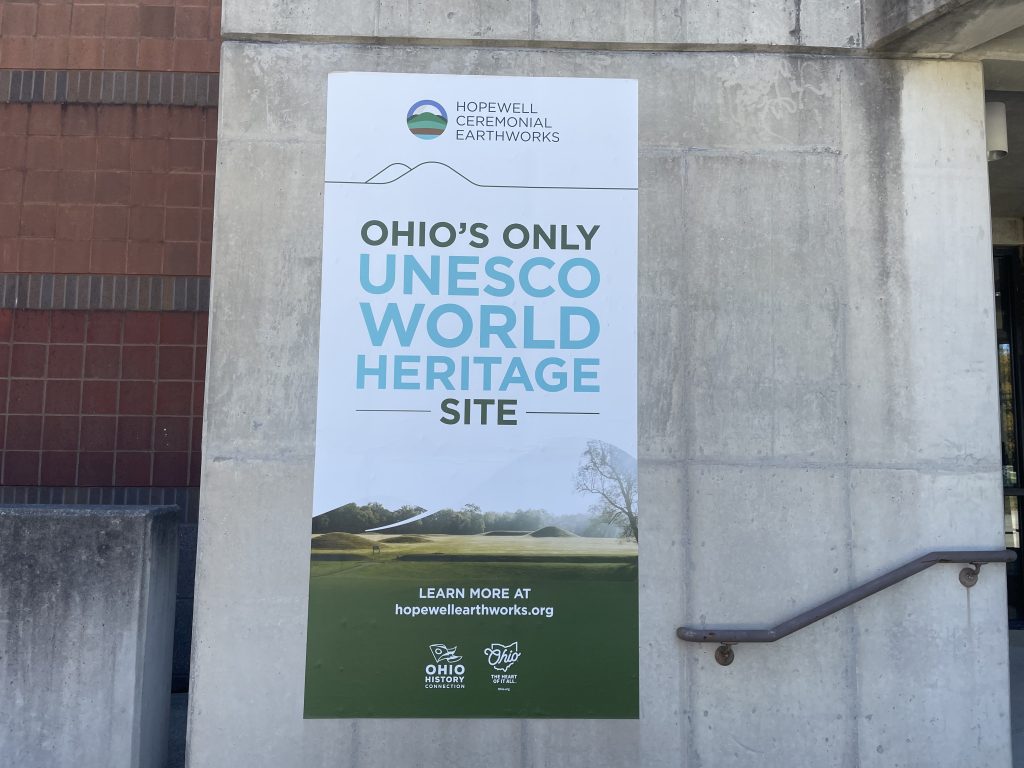
It’s not quite as exciting as it sounds.
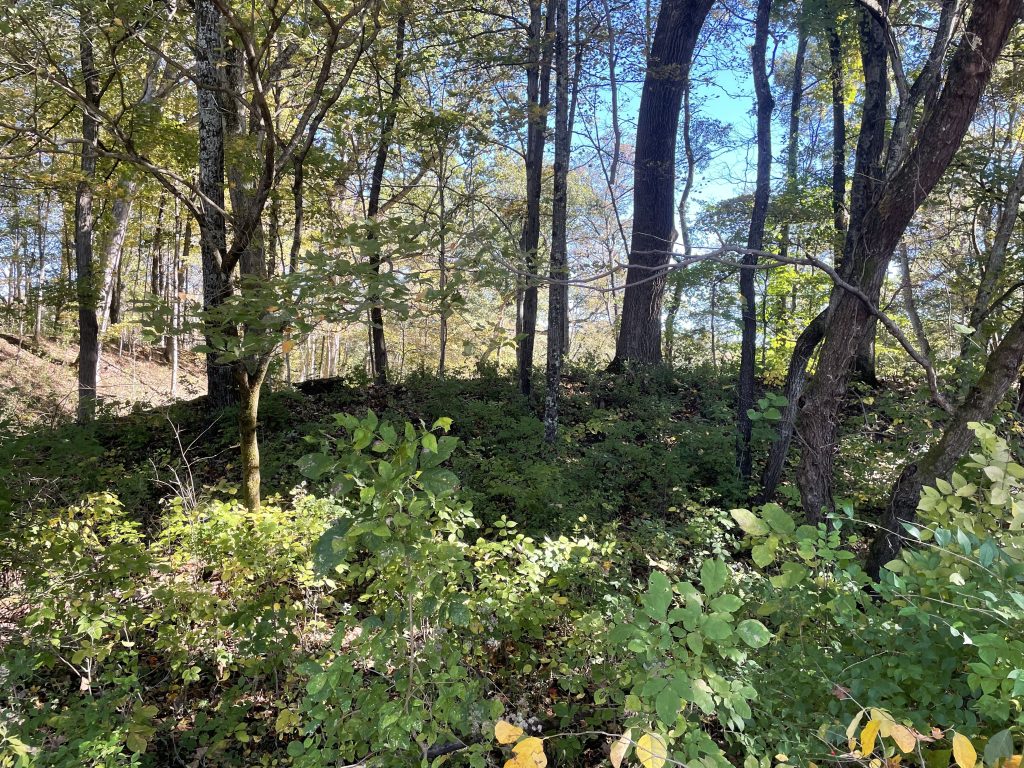
The Hopewell Ceremonial Earthworks is an Indian mound. I’ve seen these before, and as a tourist they’re little more than hills in the terrain, which you aren’t allowed to walk on, surrounded by overgrown shrubbery. They’re probably way more interesting to the archaeologists who get to dig up artifacts there, but to a visitor it’s little more than a field inside bumps. Here’s a photo:
It was also, I’ll note, a geriatric sanctuary. With an admittance fee under the National Park Service, the elderly no doubt flock here because they can get a greatly discounted pass. Keep out the riffraff and such. They were also, at first glance, unwilling to share the southern scenic overlook.
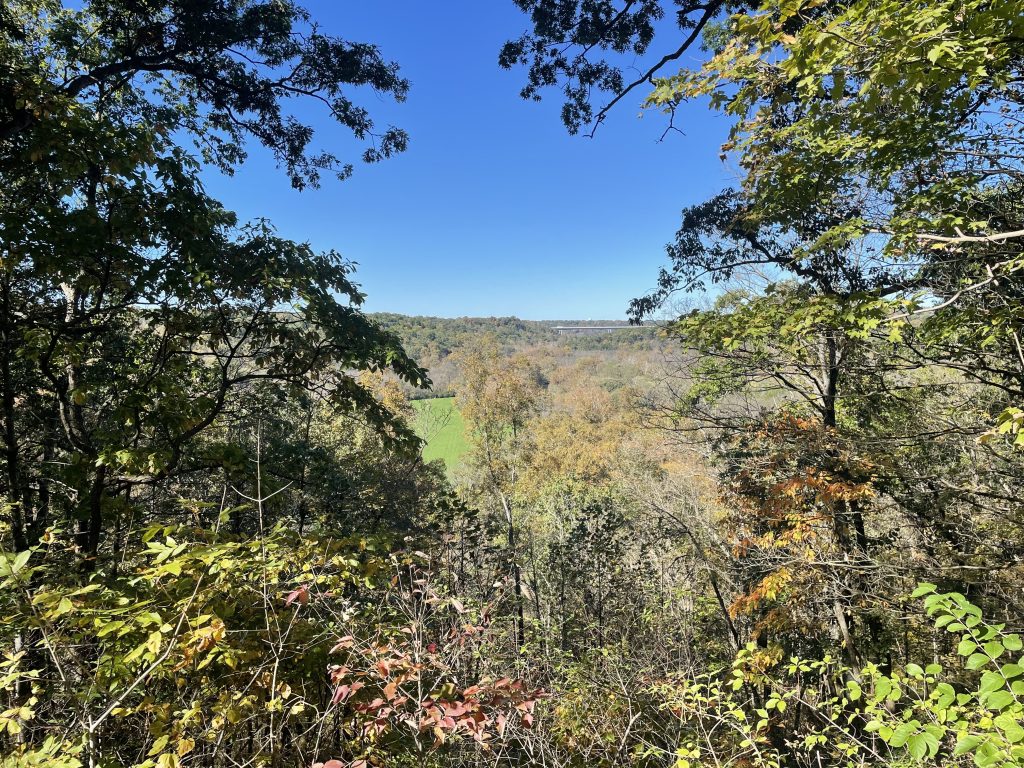
Fortunately the northern scenic overlook was more accessible, and with a much better view:
The place struck me as similar to WWI battlefields – long since repeatedly plowed over for agriculture, remaining as only a vague hint of the past, long since repurposed. Economics determine land usage, and by the time someone recognizes a place for another form of value, it’s only a ruin. That’s a bit dramatic perhaps, but the resulting remnants did not inspire a return visit.

However, exploration of the park revealed its connection to the Ohio-Erie Trail, which I’ve subsequently discovered is part of the cross-state Ohio to Erie Trail. Or, OTET. I was unaware of this trail’s existence, at least officially, as I’ve seen it in sections. But I didn’t know it was all connected. Maybe when I retire I’ll scout it out. Seems like a fun exploration project.
Also, I bought a hat for my dad, so merch!
–Simon