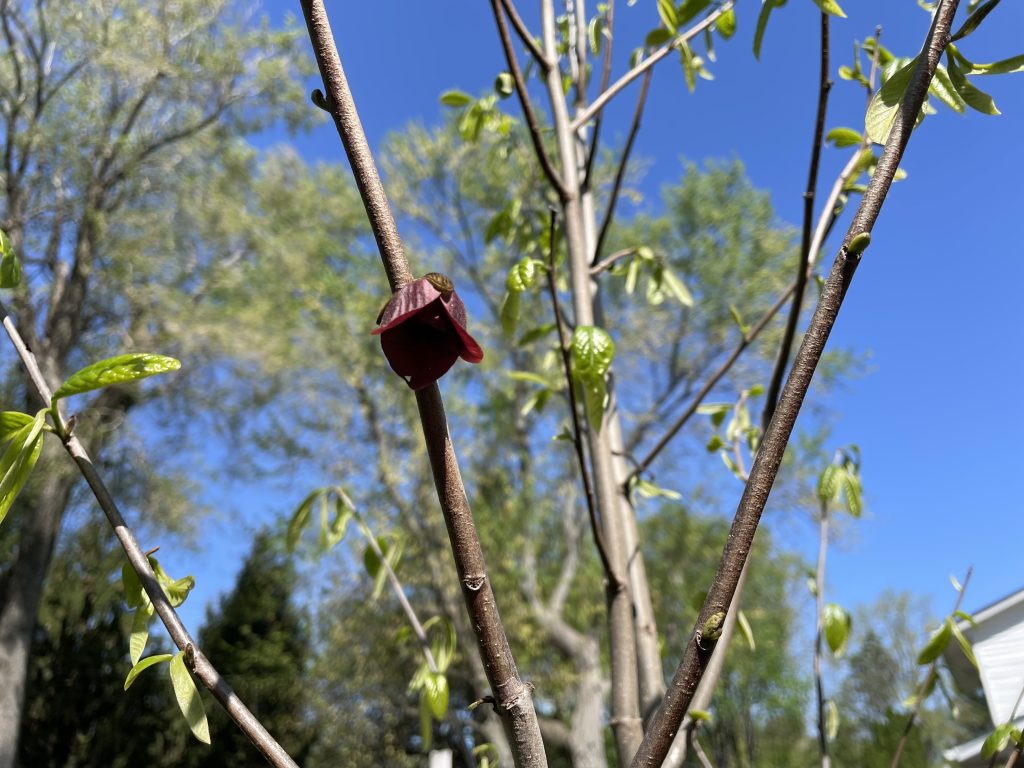
We planted a pawpaw tree about 3 years or so ago, and now it’s finally bloomed! It does, however, require pollination from another tree, and I’m hoping the neighbor’s trees are close enough, and of a different genetic variety. We shall see, if a fruit appears.
The pawpaw is a bit of a culinary curiosity. Despite their prevalence in eastern North America, I’ve never seen them on menus, probably because the fruit seeds are poisonous and the fruits don’t ripen once picked. That makes commercial operations non-viable, relegating this native to local cuisine. They’re also a bit of an acquired taste, sort of like a mild mango. I used to pick them at the old farm and grandma would make them into pies. A unique slice of Americana.
This will be a new series. It will be a list of numerical figures that I either find interesting, pose a recurring need for me to access, or in any other way are significant to me (not in the scientific sense of the phrase “significant figures”). They’re also figures I can never find, that I know I’ve written down somewhere. So this will formally record them digitally where I can search for them later.
368 – the approximate number of phone numbers I’ve blocked so far. I don’t know if that’s actually reducing the amount of spam calls, as Apple doesn’t give me a list of post-block repeat call attempts. And with 12^10 unique phone numbers out there, I doubt I’ll ever solve the problem.
135 – the number of times a named character in MGM’s The Ten Commandments says the name “Moses”. This is significant because it’s our annual drinking game and therefore important to know how strong to make the drinks.
1 Tablespoon per 2 cups – the ratio of kosher salt to water needed to create a standard brine in small batches. The box gives a calculation for large volumes, say for turkey, and I had to do the math for smaller meals like pork chops and chicken.
1.5 fluid ounces per gallon – the ratio of Trimec (2,4-D; Dicamba; MCPP (or Mecoprop)) herbicide to water for proper broadleaf treatment in grass without killing the grass.
30″x25″x31 – the space dimensions in the kitchen for the stove, in case we ever need to buy a new one.
15″x13″ – the approximate size of the hall bathroom’s toilet seat (whatever that’s closest to on the official sizing).
Such a fascinating existence. More to come, I’m sure.
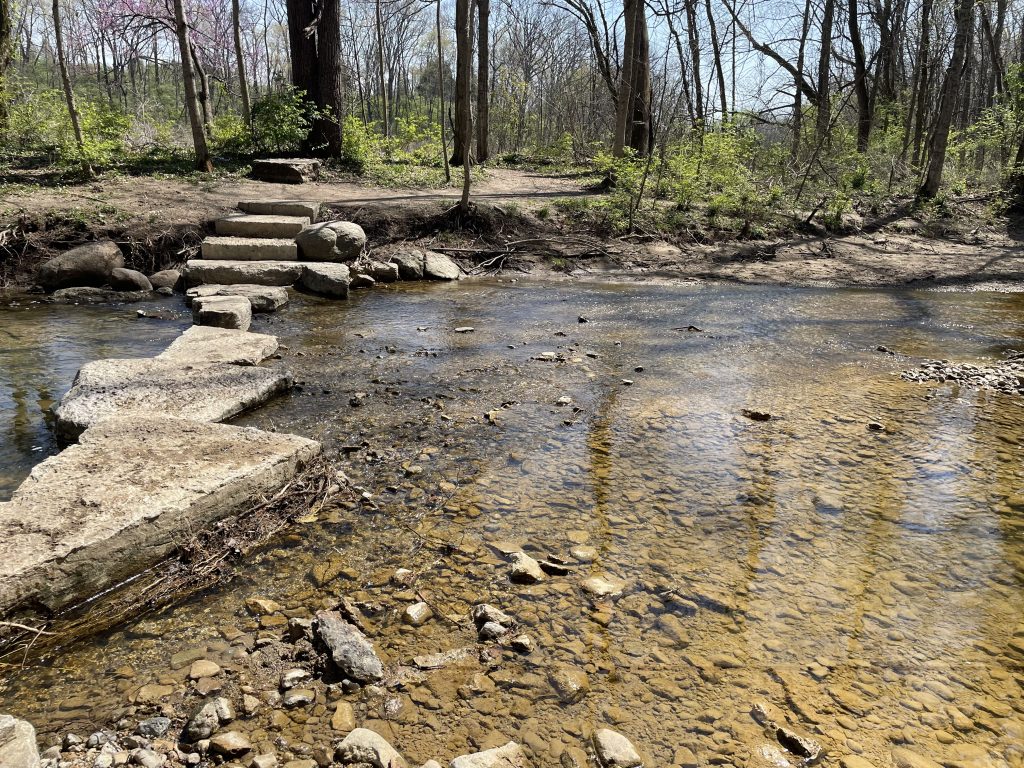
It was okay, but not as diverse. It had also become rather saturated with all the recent rain, making the going somewhat unpleasant. Ken muddied his nice boots, about which there was much whining. So – proper footwear is required for this one.
I resisted the temptation as I was visiting by request. I did, however, maintain the correct pronunciation by spelling, even though it isn’t considered true. And while accepted, I noticed that the locals preferred the schwa variant instead, though to me it sounded like they’re trying to regurgitate the name rather than say it. As though someone was asked the city name and they tried to answer after being immediately punched in the gut. “Loo *punch!* UH!…ville…”. The gateway to the south, I suppose. Where it gets too hot to enunciate, and phonemes just kind of melt and ooze together in a drunken slur. Of course, it’s also bourbon country, so that might have had something to do with it. “Luvil…ughhh…*barf*.
But this is not an anti-south post. I jest in good faith here. Midwesterners are certainly not exempt from hilariously incorrect pronunciations. Bellefontaine is for some reason pronounced “Belfountain”, and Versailles is “versailes”, and Mackinac is…correctly pronounced in the French: “Mackinaw”, so then that must mean Fondulac would also follow suit. Haha, no! It’s pronounced with the hard “c”.
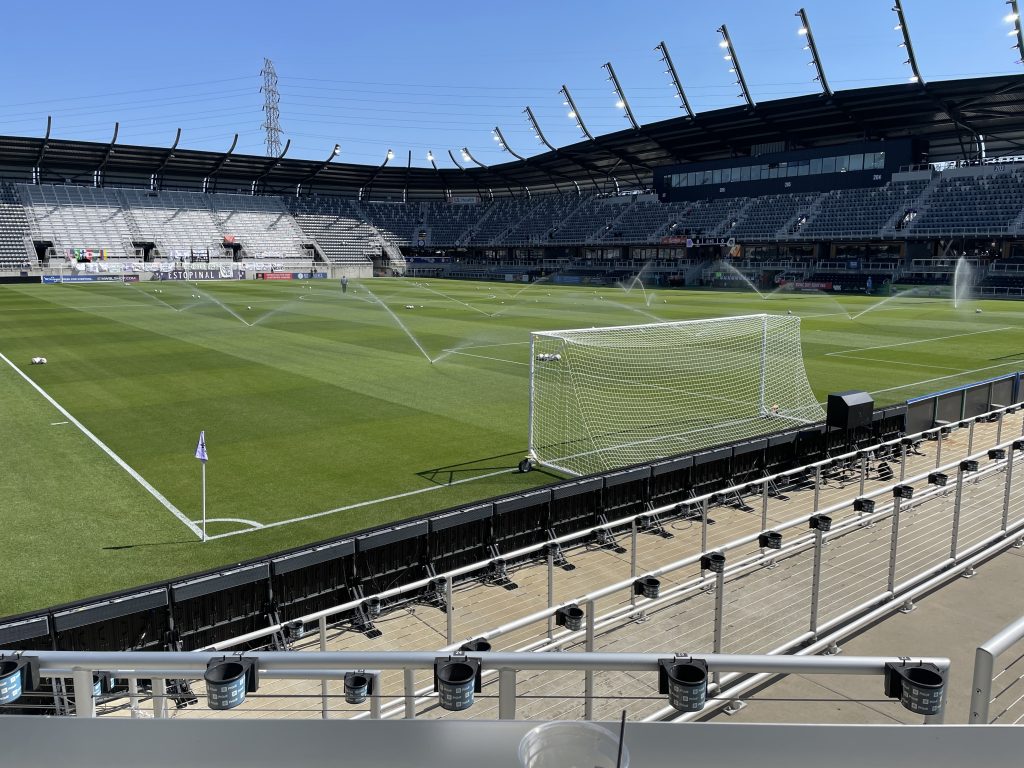
Anyway, we were visiting Liz’s sister on invite as she had a work celebration function. At a women’s soccer match. I’d never seen one live, and I must admit that compared to trying to watch a football game, which the NFL has unceasingly tried to make unwatchable, soccer isn’t too bad. It’s constant action, albeit a little lower-key, and with a perfectly reasonable game time. A 90-minute game with their bizarre stoppage time meant the game lasted less than 2 hours. Compared to a football game with halftime, which usually lasts over 4 hours.
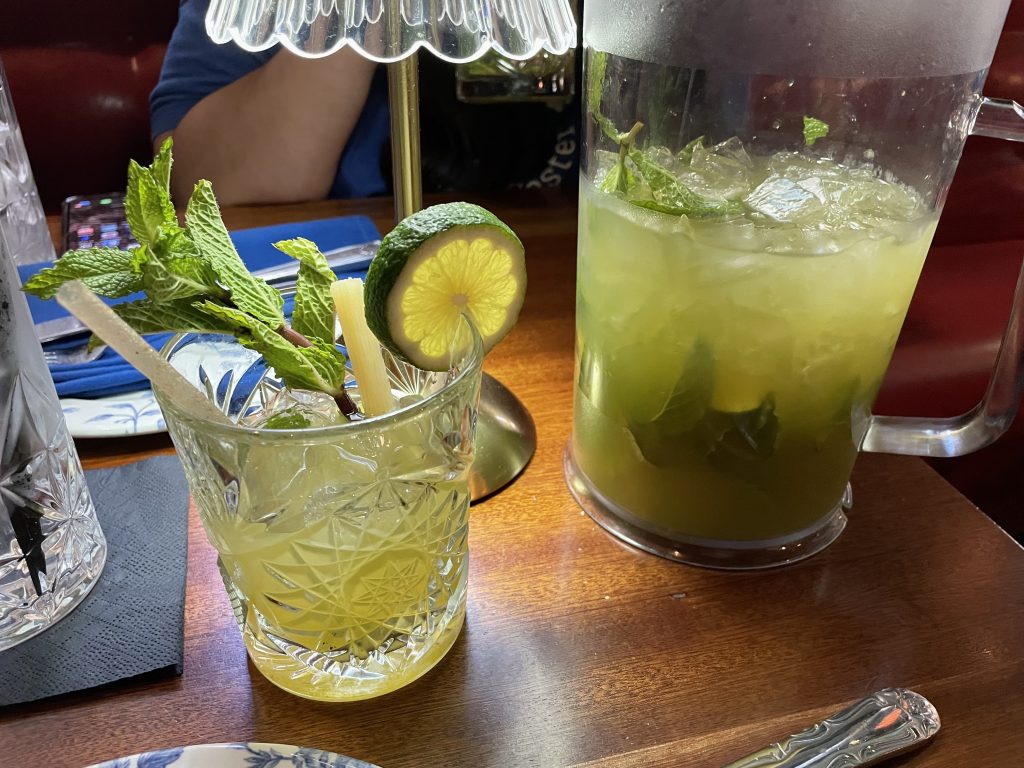
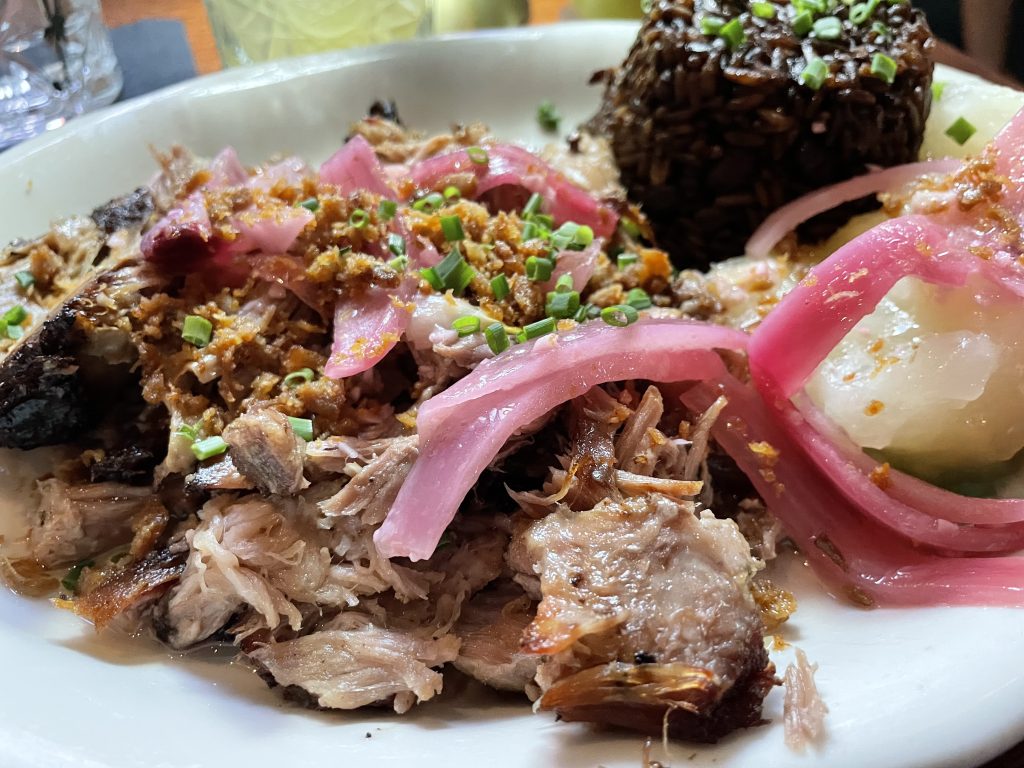
Then we tried a couple restaurants, as one must do when visiting a new place. And like most large metropolitan places, there were lots of options. The tacos were good, but no better than what we can get in little ol’ Dayton. And we went to a nice Cuban place, which is something we can’t get in Dayton, but I was a little underwhelmed with my entree. The mojito, however, was fantastic.
They have more and better alcohol down there.
This was good but I can make better. Although that banana leaf-wrapped steamed yucca was delicious and something new for me.
Speaking of liquor, it was an excellent opportunity to stock up and try things we can’t get up here.
In summary, it wasn’t a trip I can use to give the city an honest review, since it was just an overnight trip and devoid of any cultural immersion. All I can do here is document a quick visit and hope to see some parks and museums next time.
Oh and I stand by my assessment that the Ohio river defines the midwest boarder. “Midwest nice” turns into “Southern hospitality”. The “Midwest goodbye” turns into the “Southern hello”. No, really. Down there new introductions are lengthy and rambling and packed with random information, none of which includes anything about the person you just started talking to. Then when the conversation is over they just walk away. It’s a Midwest goodbye in reverse! Culture shock!
When a big ticket item needs purchasing, a person should contemplate and thoroughly research available replacement products that are on the market. Making an informed decision not only increases the chances of finding a selection that most appropriately fits the user’s needs, but also decreases the chance of choosing a product that emphasizes form and marketing over proper function and longevity.
Of course, there are other schools of thought.
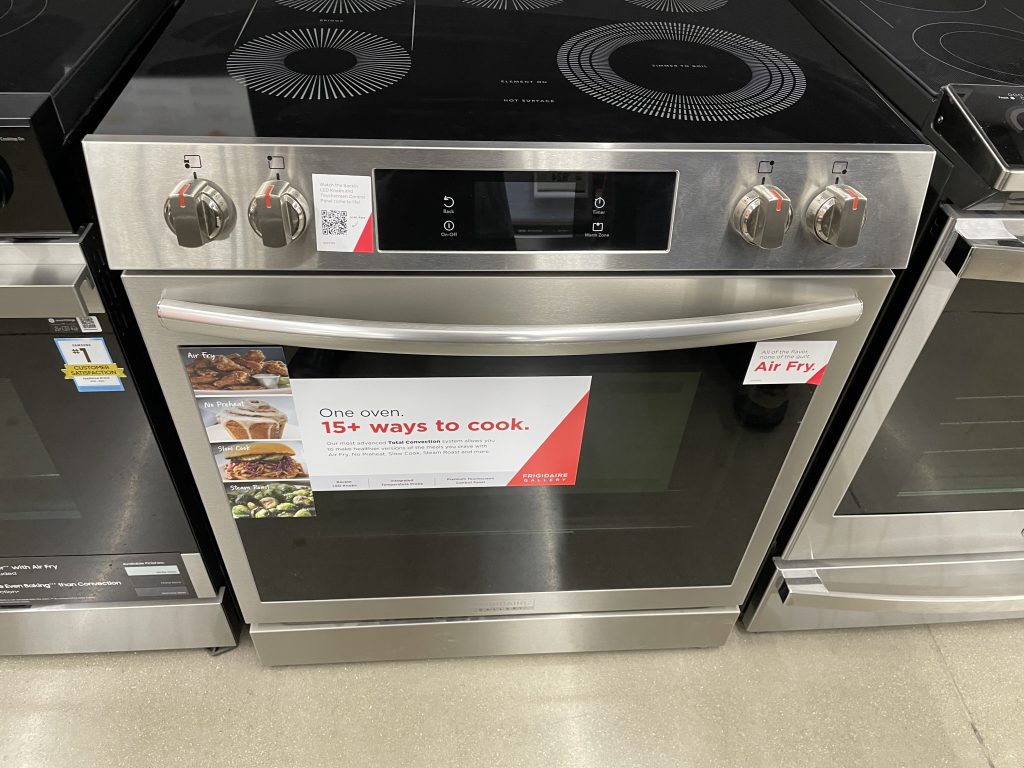
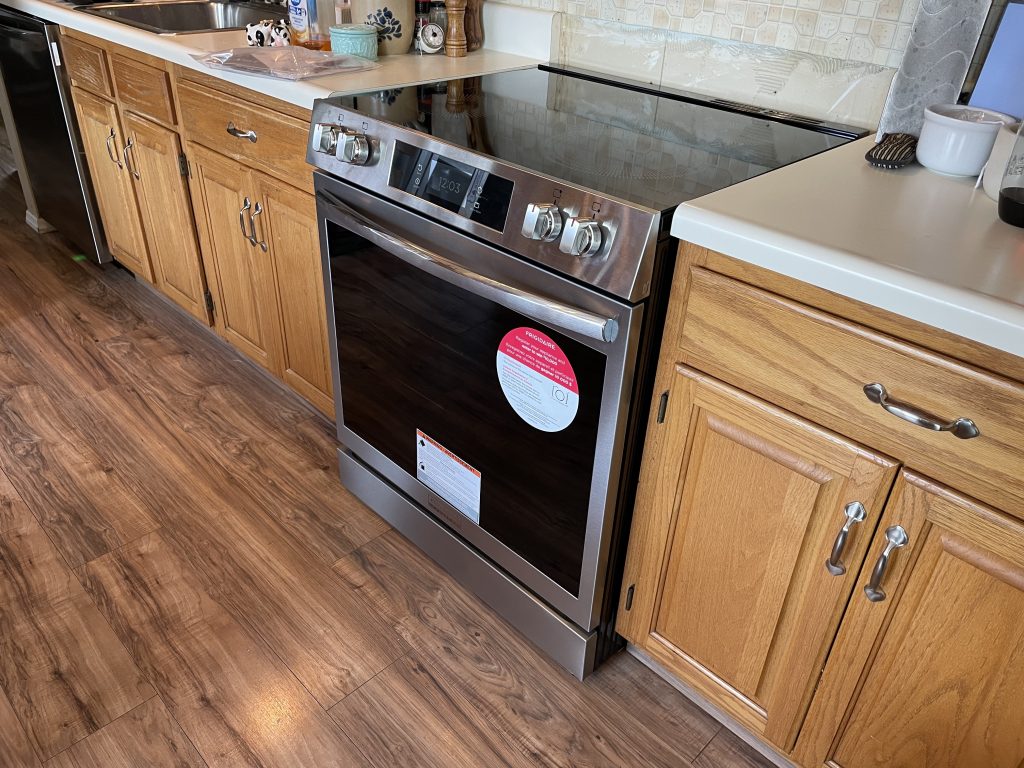
And so Liz bought a new stove.
The old stove – the one that came with the house – had started acting funny. The right burners would fail to keep a set temperature, then randomly switch to high. This resulted in boiled over rice and pasta, and swearing. Then the burner wouldn’t turn off. Many problems, Whirlpool.
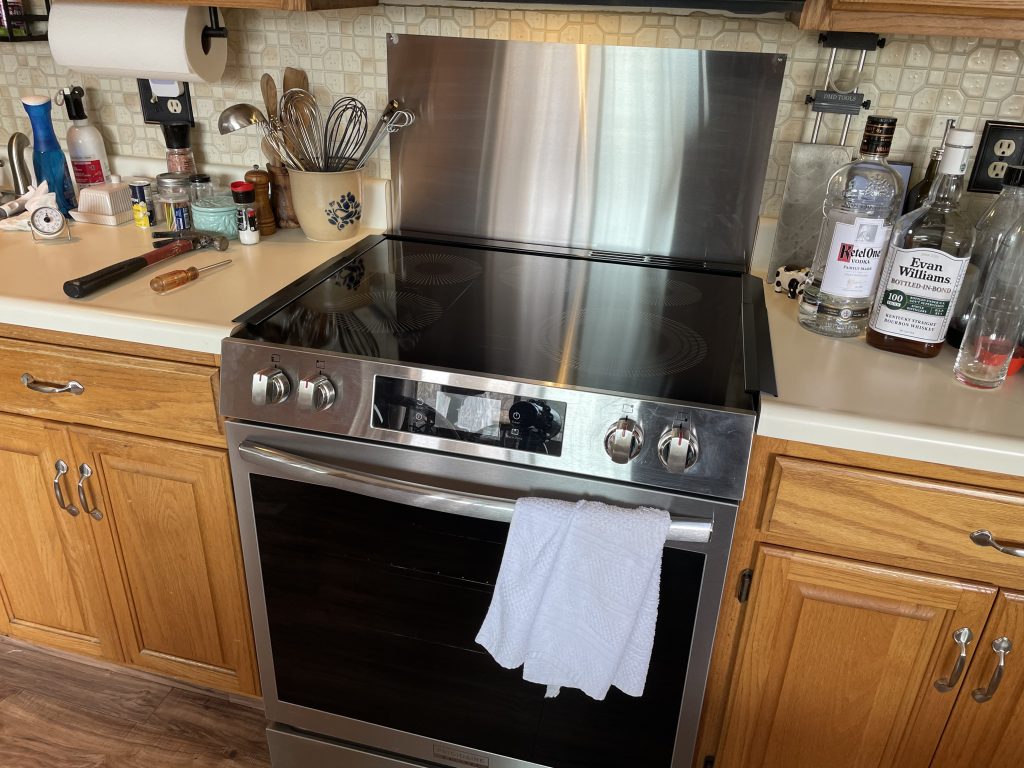
Of course the prior homeowners didn’t tile the entire area behind the stove, either. And the new stove, with its frontal controls (an obvious layout decision, so one doesn’t have to reach over boiling pots to operate the appliance), lacked an integrated backsplash.
So then we had to add one.
Okay, that problem was solved. But guess what? The outlet isn’t recessed, so this stove, lacking the backsplash control panel, doesn’t sit flush against the wall because of the outlet gap. This left an inch in which any manner of objects could fall behind.
So after some joint brainstorming that involved overthinking potential solutions, the internet revealed that there are products specifically manufactured to address this problem. Essentially a bracket that sits in the gap, mounted to L-brackets on the cabinet sides. Simple, right? Ohhh no. Because the gap bracket just floats on the mounts and popped out the instant I pushed the stove against it. So I drilled a hole through it and mounted it to the stove itself using the existing screw holes that attach the stove’s back to the unit. This held it in place while I forced the stove back against the backsplash and on top of the brackets. Jeez.
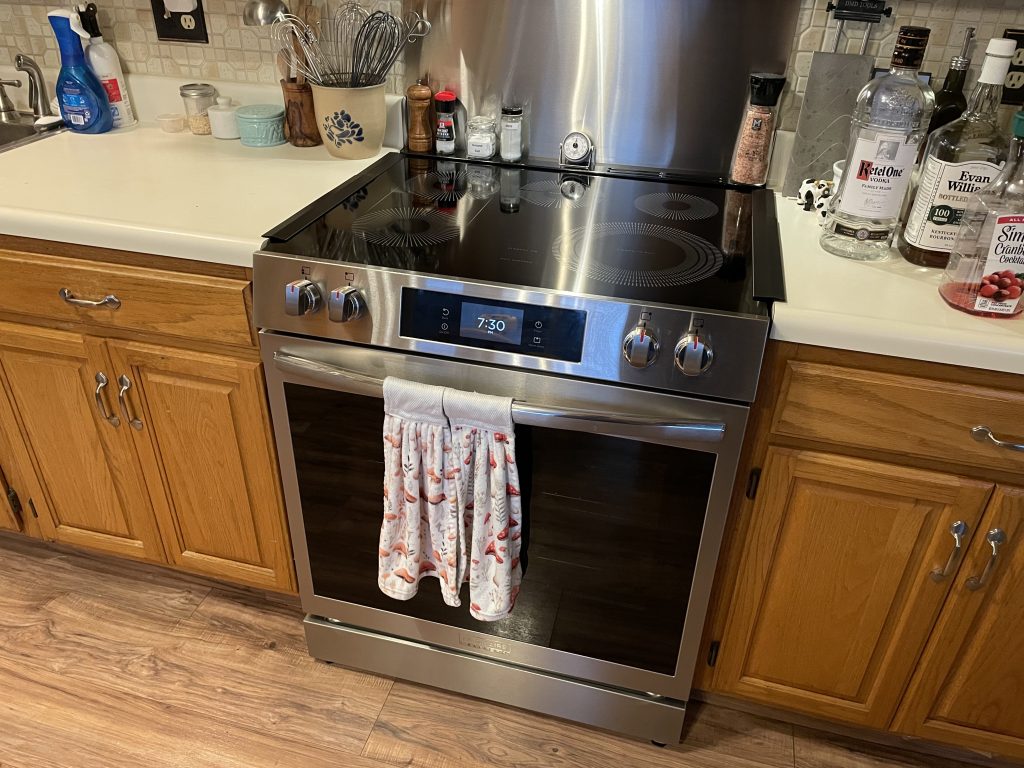
There! Finally, a nicely installed stove with backsplash and gap filler.
The appliance itself? Well, so far it heats very evenly and consistently. I’ve made some very nice bread with it. It has a lot of functions I haven’t played with, like air fryer mode and and moist baking. I’ve once again jumped forward 10 years in technology and have to figure things out again. But at least I’m not boiling things over anymore.