Order is Man’s mastery of the universe. By applying logic, reason, and patterns to that which lies unstructured, I manipulate my surroundings to suit me. I am a creature of my environment, but anomalous in that I organize for aesthetics and not necessarily practicality. I defy evolution, expending caloric reserves on tasks which offer no definitive gain to the species. And in that sense, I have invoked a programmatic syntactical error. I follow directives which were not properly defined. Variables do not exist in sufficiency to meaningfully direct input. And so my output, devoid of complete genetic programming, is self-destructive.
***
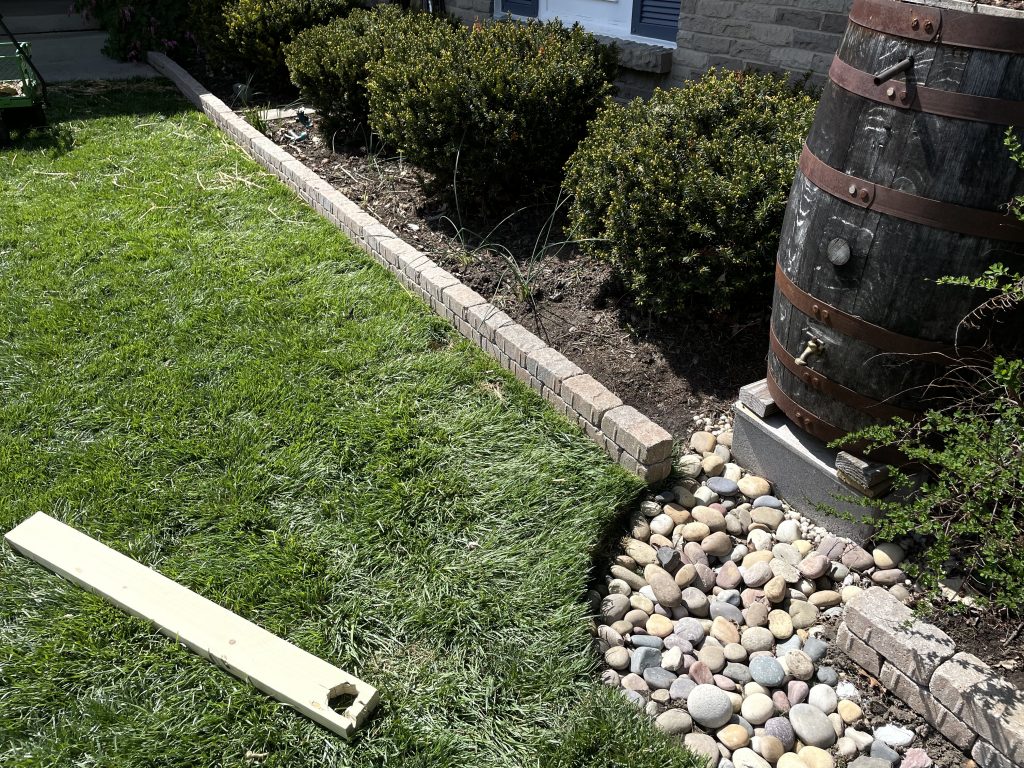
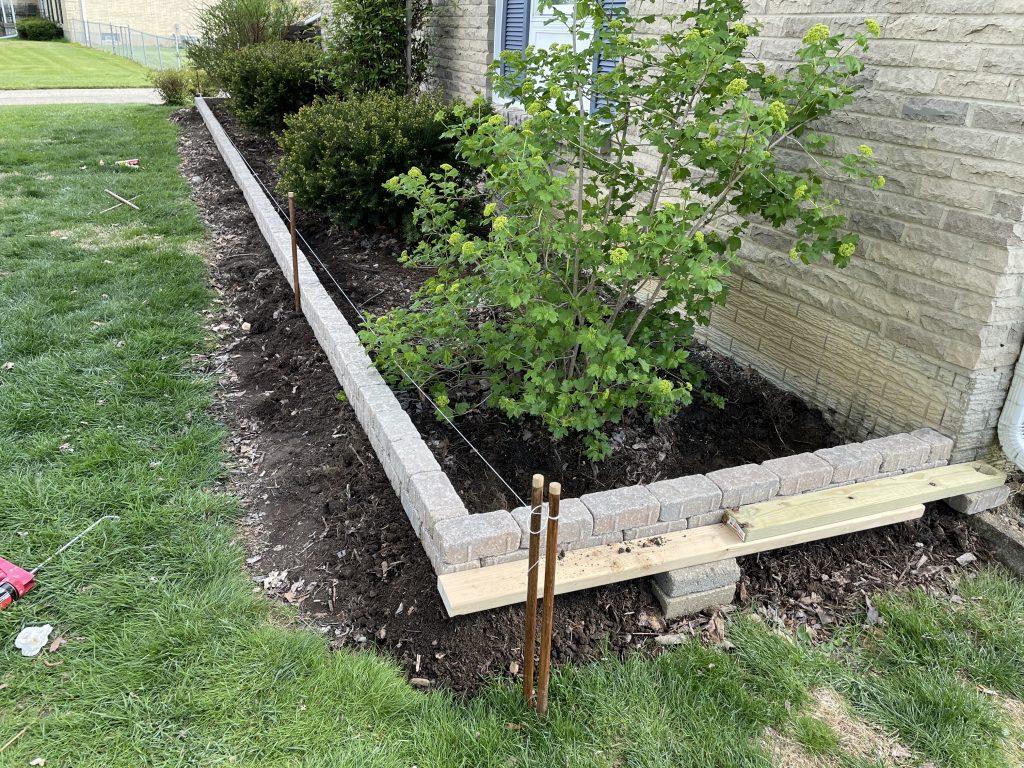
The delineation between garden and yard is transitory. I wish it to not be so. Therefore I installed edging! But as all is ephemeral, its lackluster construction quickly deteriorated, rendering the boundary once again ill-defined. Another means was required. Materials which stand the test of time!
Bricks!
Evidenced by the apparent brick mine beneath the property, bricks don’t break down–they simply become buried over decades of subpar landscaping.
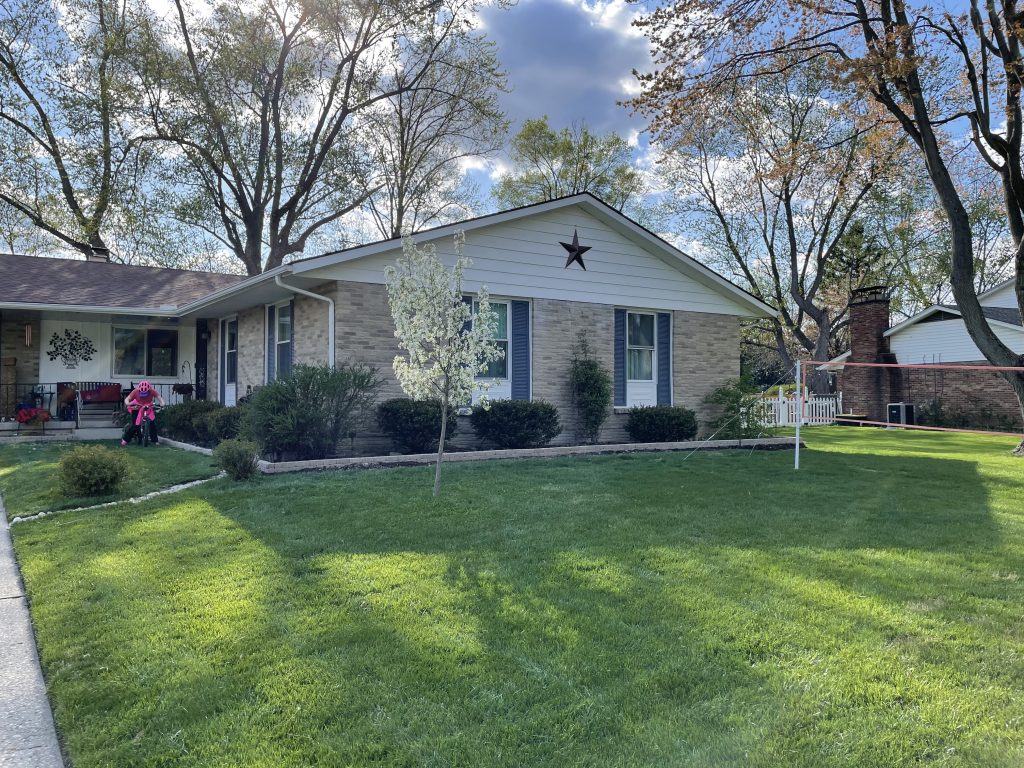
And so, after acquiring somewhere around 250 bricks and multiple tubes of construction adhesive, and shooing Liz away for her inability to effectively use a level (despite this project being her idea, I’ll note), I reforged that which was once broken and shines anew!
…with some extra dirt and grass seed…
+$5000 more in property taxes forthcoming, no doubt. The price for rule and order!
This is a minor project, but all projects will be recorded into the annuls of whatever time period this is!
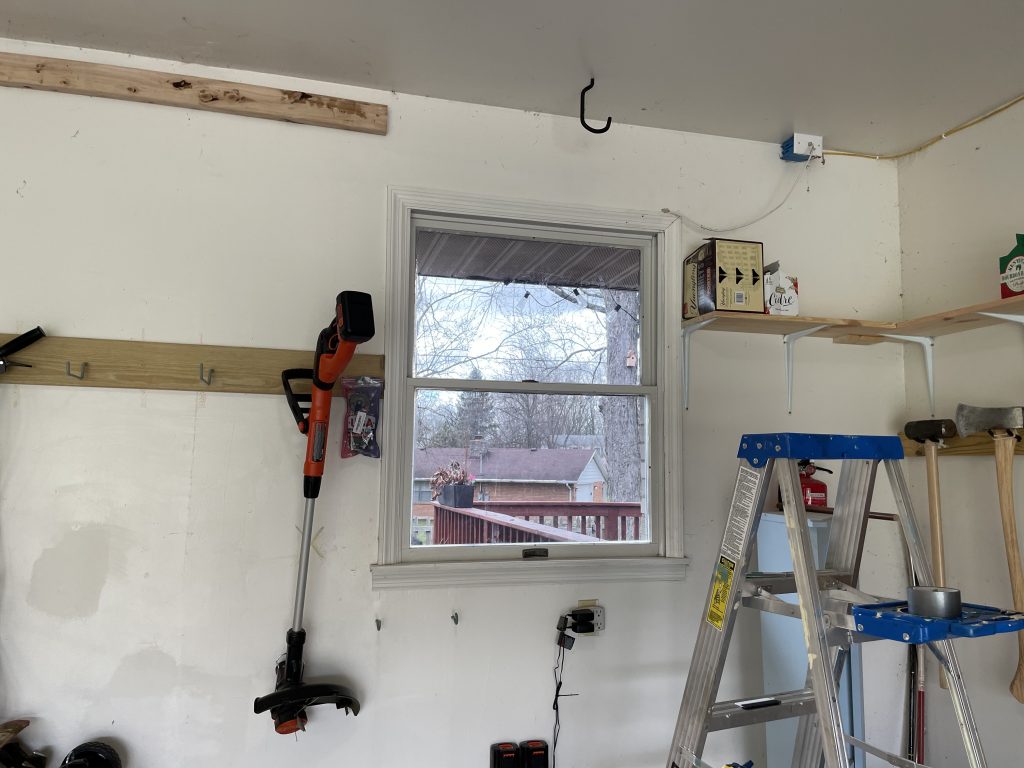
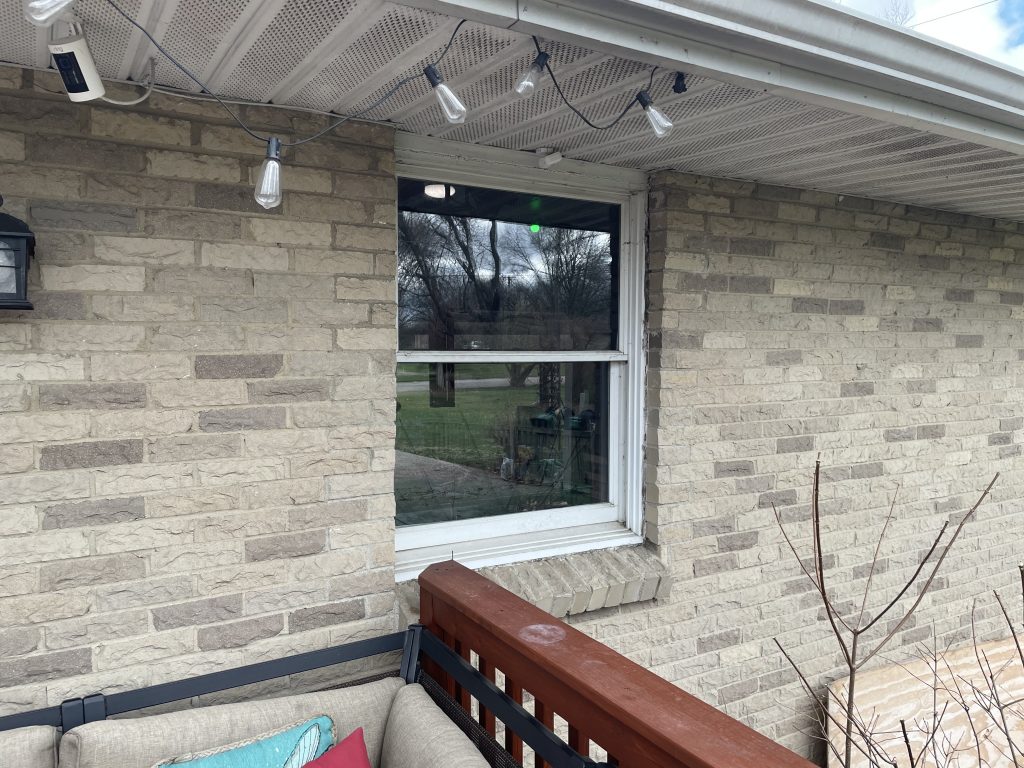
This is the garage window:
As you can see, its existence serves no purpose, and is a security flaw. I had covered it with a paper blind, but that was ugly and dirty and falling apart. I needed a more elegant solution.
So I fell back on a solution I employed previously on the back door: security film. This film, when applied, bonds with the glass pane and prevents it from shattering. The back door, which contains a large window, was stupidly fitted with a thumb-turn lock. I’ve since taken additional security measures on the lock, but at the time this added an obstacle to simply breaking the glass and unlocking the door. This film is also offered with dark tint. This let me reinforce the glass as well as block out external peeping.
Ta-daa!
I put a motion sensor on that green light too. If the door is shut and the light is off, even at night it’s not possible to effectively look in and inventory anything.
I was in the midst of a political analysis post and decided…fuck that. I want to write about house projects instead. And that’d probably make a more interesting read anyway, or at least less boring. Besides, there are pundits aplenty who write articles for a living and can offer you much deeper insight.
In short: contemporary society is still divided, arguing like children and refusing to make any concessions unless forced, even when the benefits of those concessions are pretty obviously for the greater good, like getting vaccinated or addressing unsustainable entitlement programs. And the world still hates men. That hasn’t changed much.
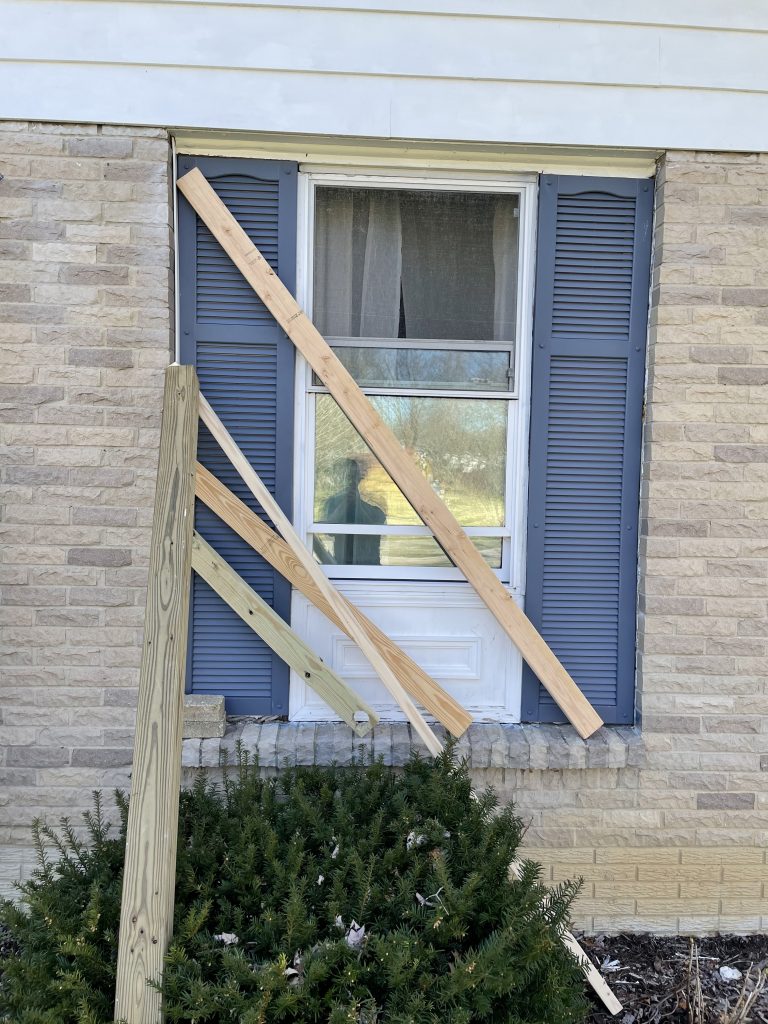
So instead of contributing to that noise, look at these shutters!:
They’re in a recessed window frame. They were also rotting out. So Liz ordered vinyl replacements and I ripped them out. Problem solved.
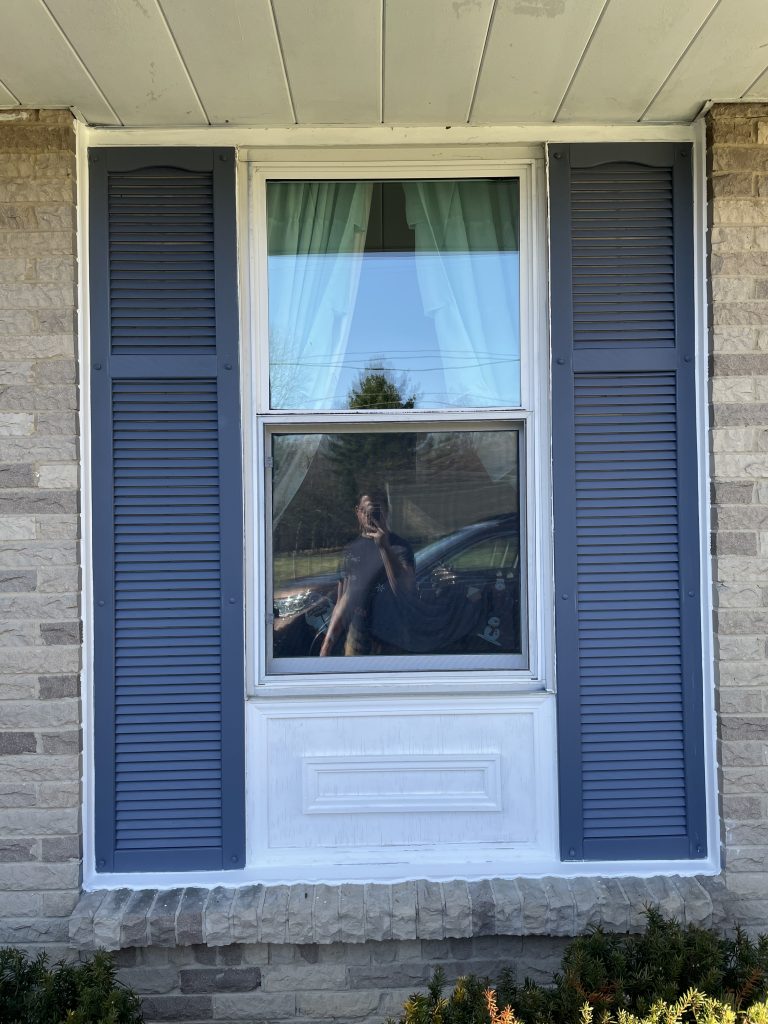
Haha, no. Just kidding. The replacements exposed the air gap between the brick and inner wall, as they were much thinner than the custom-cut original wood variants. I had to get creative.
So I sealed the gap with vinyl molding and lots of caulk.
That’s it, really. I’m just complaining, because it took a long time. I invoked the 6 Month Rule.
It’s always high on the list of recommended things to do when you move in to a new residence: change the locks. The reasoning is obvious: there’s no way to tell who has a copy of the key. And for all of my various incremental home security improvements, they’d be mostly rendered moot if some acquaintance of the former owner had a key and chose to “visit”. So I finally prioritized a deadbolt swap.
Of course, if I’m doing that, why wouldn’t I take the opportunity to go beyond a simple lock change with a standard residential model and explore something a little more high security?
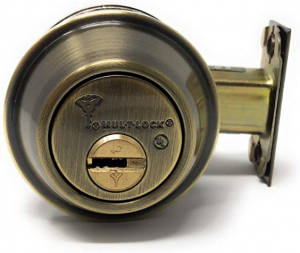
Introducing, the Mul-T-Lock Cronus Junior!
Grade 2, so a step up (I’m assuming). I think grade 1 would have been a waste of money. (I recently reinforced the door hardware with oversized strike plates and 3.5″ steel screws, but the supporting structure is ultimately wood.)
And the tumblers are actually doubled–tumblers inside tumblers. Cool idea. Having explored lock-picking in my youth, I can’t imagine the difficulty here. This isn’t just adding more tumblers, it multiplying the complexity. How do you bump pins when each pin is two pins with different shear lines?
And the price point was 3-4 times that of a standard hardware-grade variety, so not crazy. All in all, a good match for a residential application.
However, the bolt assembly was anything but user-friendly. And while that wasn’t necessarily attributed to the manufacturer, it does have a certain intolerance if existing cutouts aren’t perfectly true–something a residential-targeted product should have.
For example, the bolt hole and lock holes weren’t quite aligned. I could still feed the parts together, but the internal shield then put sufficient tension on the bolt assembly that the bolt wouldn’t extend to the final locked position. A fair amount of trial and error was required before I isolated the problem, which involved some additional boring and filing.
That problem solved, I mounted everything and tried to throw the bolt. It wouldn’t budge, despite working fine before threading the screws. So I disassembled everything and worked the bolt manually with a screwdriver, which worked fine. I took a break before smashing something.
It saves everyone after you a lot of work if you’d just do the job right the first time.
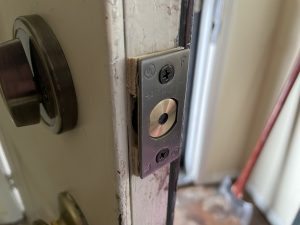
Additional experimentation revealed that the bolt assembly was being pushed down slightly too far, so the bolt was catching on the strike. The door, having been cut wrong, protruded the strike slightly into the jamb, and when mounting the strike it bent the jamb, causing obstruction. So I shimmed the strike against the door to prevent bending, reassembled the lock, and tried it again.
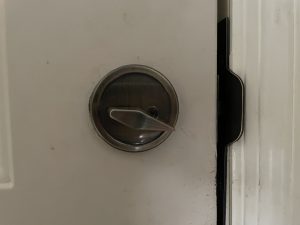
The thumb switch. Note also the aforementioned extended strike plate. All hardware upgraded to 3.5″ steel screws (hinges included).
The key worked, but the thumb switch didn’t. Not very useful. I disassembled the lock again and pondered the parts, eventually concluding that I needed to rotate the internal metal sheaf once so that the neutral position aligned with the thumb switch neutral position. I reassembled the lock and tried again, both key and thumb switch, in all possible combinations between the two…dozens of times. Finally, it worked as expected.
In conclusion, the door’s inconsistent cuts combined with the lock’s low error tolerance made what would normally be a 2 minute project a 2 hour one (additionally, the instructions didn’t cover installing the cylinder into the lock, or adjusting the bolt between its 1 3/8″ and 1 1/2″ settings, but those were reasonably intuitive with some observation and tinkering). But at least the lock is finally replaced and upgraded. Though in all fairness, after removing the old one, it was a really solid lock. All metal, thick parts, and lots of shielding and reinforcement. Had I possessed a tally on all the keys made for it, and were it not a decades-old standard 5-pin system, I would have left it as-is.
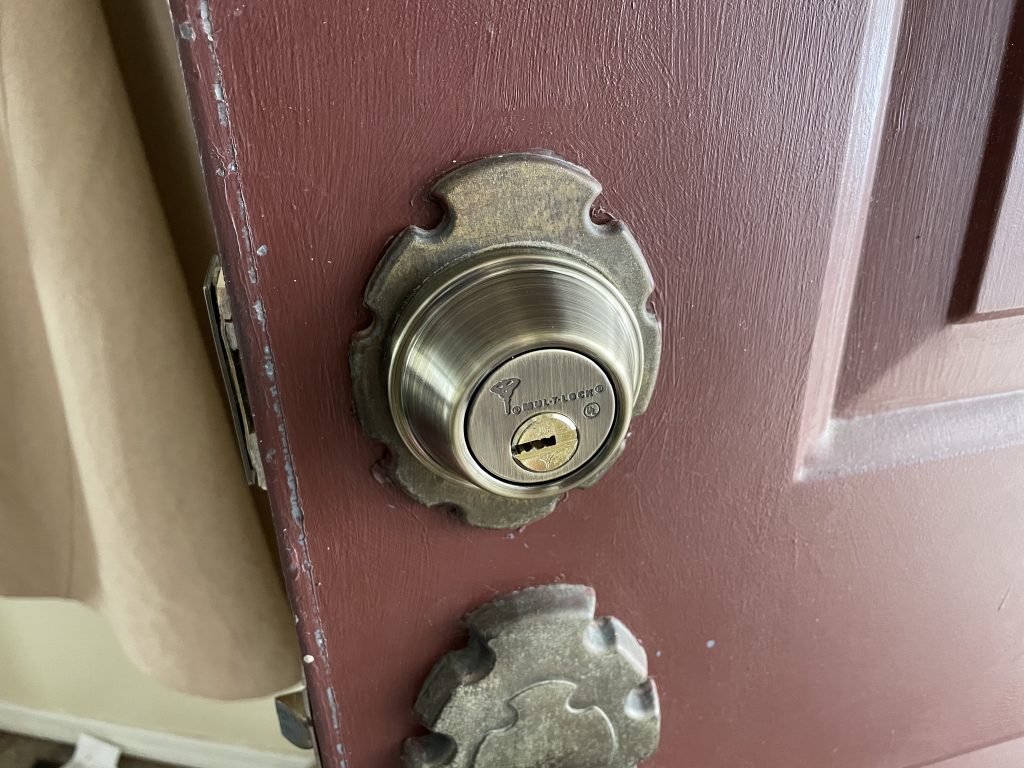
No weathering yet, but it matches the existing hardware pretty close.
Still, it’s nice to have one more security upgrade completed.